At-home vs. in-clinic whitening: what actually works?
Whitening toothpastes, OTC strips and professional ZOOM whitening produce dramatically different results. Here is what works, what just appears to work, and what to avoid.
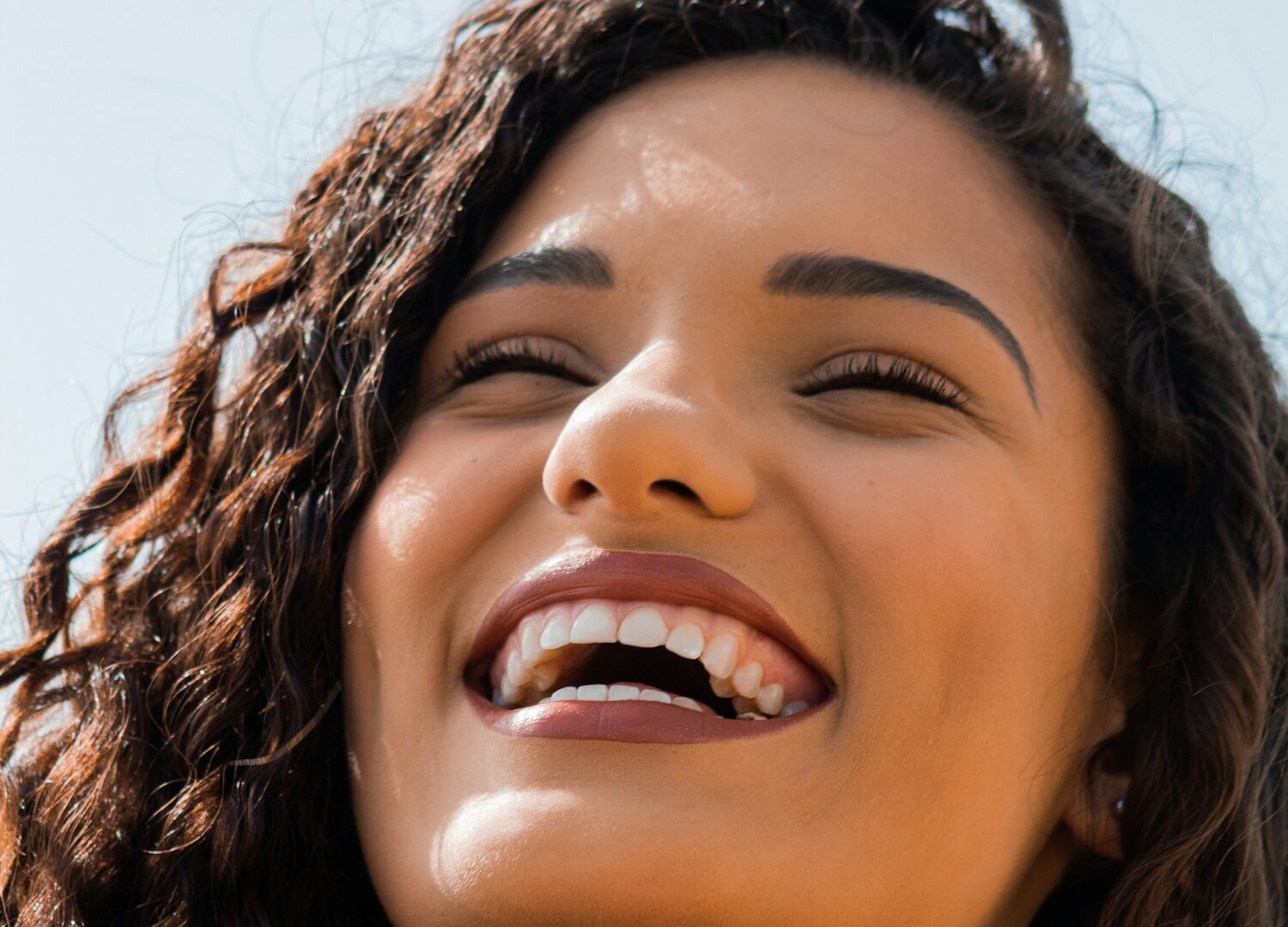
The dental whitening market is flooded with products promising a “Hollywood smile in a week”. Most of them are marketing — some work partially, some do nothing, and only a few are actually effective. Here is what the research says.
OTC (over-the-counter) products
Whitening toothpastes
Standard “whitening” toothpastes contain mild abrasives — meaning they remove only surface stains (coffee, tea, smoking). They do not change the intrinsic color of the tooth. Maximum effect: 1–2 shades after 4 weeks of use.
Pastes with “blue covarine” (Crest 3D White, Colgate Optic White) produce an immediate optical effect but not a real one — the blue pigment visually neutralizes yellow tones. After rinsing, the effect disappears within hours.
Whitening strips (Crest 3D Whitestrips, etc.)
These are genuinely effective — they contain 6–10% hydrogen peroxide, a concentration that does change intrinsic color. After 14 days of use, you can achieve 3–4 shades of improvement. Limits:
- Strips do not fit perfectly on the teeth — peroxide does not reach the whole surface
- Patients with worn enamel (gingival recession, sensitivity) feel pain
- The result is less uniform than in-clinic treatment
Whitening pens, mouthwashes, “charcoal” trends
Pens: low concentration, very local — useful only for small touch-ups. Mouthwashes: 1.5–2% peroxide, not enough contact time for real effect. Charcoal: not just useless but abrasive, and over time damages enamel.
Custom trays at home (dentist-supervised)
This option is much better than OTC products. The dentist takes impressions, makes custom trays, and provides 10–16% carbamide peroxide gel. The patient uses them 1–2 hours per day for 2–3 weeks. Results: 4–6 shades, more uniform than strips. Cost: 200–350 EUR.
In-clinic whitening (ZOOM, Philips, Opalescence Boost)
The most effective option. Uses 25–40% hydrogen peroxide activated by LED light. Results in a single session: 6–8 shades. Each session lasts 60–90 minutes. Sensitivity in the first 24–48 hours is normal but manageable.
- Pros: The fastest. Most uniform result. Done in the office, no patient compliance needed.
- Cons: Higher cost (350–600 EUR for a single session). Sometimes a second session is needed.
When NOT to whiten
- You have ceramic veneers or crowns on the front teeth — peroxide does not affect them, so the result will be uneven
- Severe sensitivity / gingival recession — sensitivity will increase dramatically
- Tetracycline-stained teeth — almost no whitening works on these; the indication is veneers
- Pregnancy / breastfeeding — not recommended (lack of safety data)
If aesthetics matter, the right starting point is a consultation, not a supermarket. A 30-minute visit to find out which shade is realistic for your teeth, and what method will get you there, will save you time and money.