

Invisalign · 14 months

Initial diagnosis
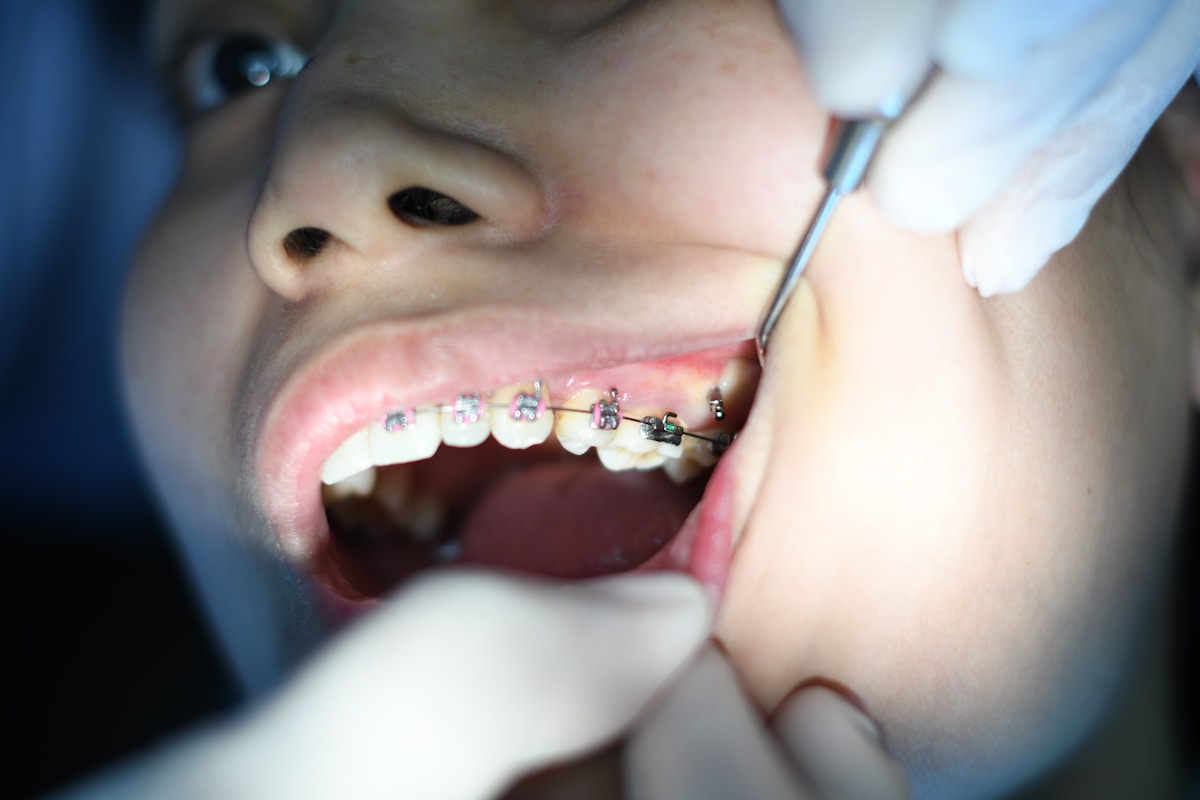
Mild anterior crowding with rotation of the lateral incisor, insufficient space for the canine (Angle Class I with 4–5 mm of crowding), and a mild overbite. A typical case for clear-aligner treatment.
Why Invisalign for this case
The patient was a young professional who interacted with the public every day — metal braces were essentially ruled out by her aesthetic needs. The crowding was mild and well within Invisalign’s primary indication. The patient’s ability to commit to wearing the aligners 20–22 hours a day was the deciding factor — that’s the critical condition for success.
Treatment phase
- iTero Element 5D digital scan of both arches and the bite in habitual occlusion.
- ClinCheck simulation — the patient sees a 3D animation of every tooth movement and the final result before approving the plan.
- Composite attachments on selected teeth, enabling more complex movements (rotations, extrusions).
- 22 aligner sets, each worn for 7–10 days, with the patient swapping them out at home.
- Check-up every 8 weeks to verify progress and to activate overcorrections with IPR (interproximal reduction) where needed.
Retention phase
After the final set, a fixed lingual retainer (Twistflex 0.0175″) is bonded behind the incisors and canines, plus a removable Vivera retainer worn at night for 2 years. Without retention, relapse is 60–80% over 5 years.