

A child’s first dental visit: how to prepare without fear
A child's first dental visit can feel like a challenge — but it is simpler than parents think. Here is what you need to know before coming.
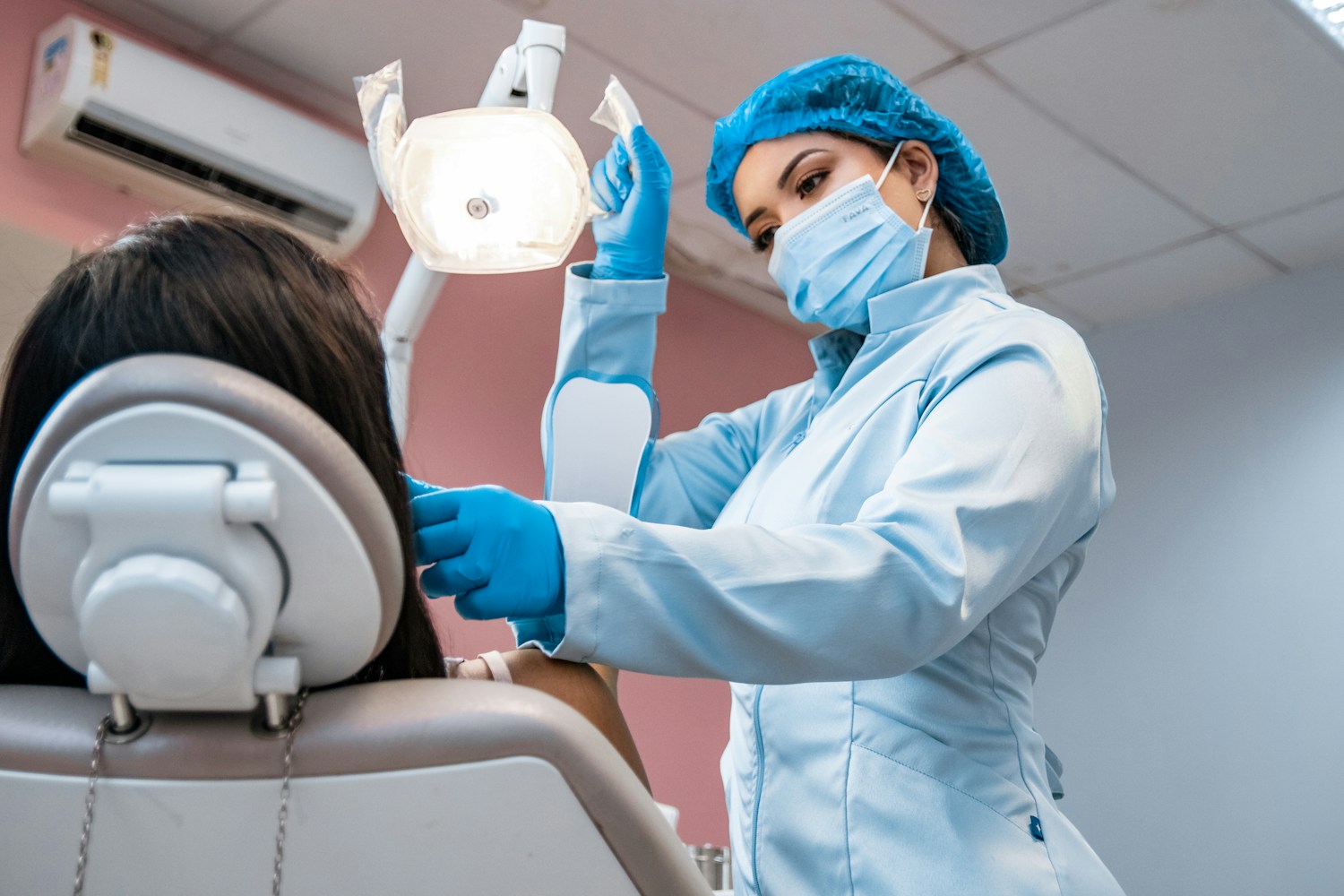
The American Academy of Pediatric Dentistry (AAPD) recommends the first dental visit by 12 months of age, or within 6 months after the eruption of the first tooth. Most parents wait much longer — and when they finally come, the child may already have cavities that could have been prevented.
Why so early?
The first visit is not for treatment. It serves three main purposes:
- Familiarization — the child experiences the dental environment before there is an urgent need. Later, when a filling may be needed, the clinic is not “an unknown and scary place”.
- Parent education — cleaning, nutrition, how much sugar is “too much”, whether nighttime bottle drinking is still OK, when to drop the pacifier. Most of these decisions matter long before the parent thinks to ask.
- Individual risk assessment — some children have much higher caries risk than others. Early identification allows preventive interventions (fluoride application, sealants) that make the child’s life noticeably easier.
What to do before the visit
Do not make specific promises
Do not say “it will not hurt”, “they will not do anything”, or “it will be quick”. If the promise is not kept, the child loses trust in dentists for life. Better: “The doctor will look at your teeth and will tell you everything before doing it.”
Read books about visiting the dentist
“Daniel Tiger goes to the dentist”, “Peppa Pig at the dentist” — children process new experiences through stories. Read them in the days before.
Play “dentist” at home
Lay the child down, count their teeth with a toothbrush, take a “look” with a small flashlight. Familiarity reduces fear.
The day of the visit
- Choose a time when the child is well-rested (morning is usually best)
- Eat a normal breakfast — a child with low blood sugar is more irritable
- Bring a favorite toy as a comfort item
- Do NOT promise rewards “if you are good” — that creates the implicit message that the visit will be bad
What happens in a first visit
Usually:
- Light conversation with the child (5 min) — the doctor “wins” the child over before doing any examination
- “Knee-to-knee” exam in young children (under 3) — child rests on the parent’s lap with their head in the doctor’s lap
- Quick visual exam (3–5 min)
- Fluoride application (if indicated) — done with a brush, painless, takes 30 seconds
- Parent education — at the end, while the child plays in the waiting room
No X-rays in the first visit unless there is a specific clinical indication. No treatments. Often no instruments — just a mirror.
What we, as dentists, ask of parents
Do not transfer your own anxiety to the child. If you were afraid of the dentist as a child, your child does not have to relive it. Modern pediatric dentistry is dramatically different — adapted environments, friendly language, calming techniques (tell-show-do). Trust the process.