

Can root canal treatment really be painless?
The image of "root canal" as a painful procedure is outdated. With modern anesthesia and the dental microscope, the procedure is routine and calm.
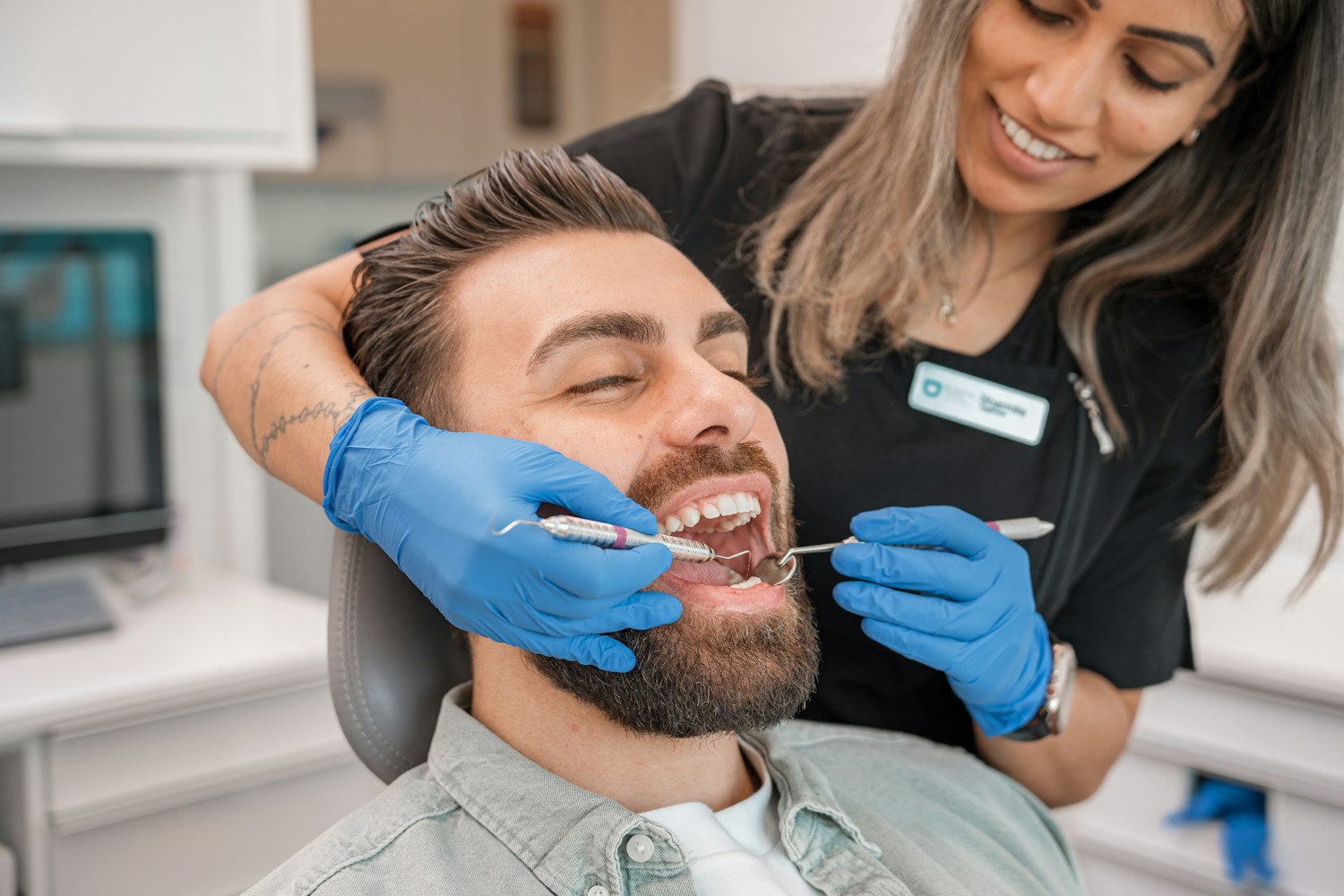
“Better an extraction than a root canal” — the most common and most wrong phrase in dentistry. It has a historical origin: until the 1980s, root canal treatment with hand instruments and without effective anesthesia really was unpleasant. Today this image no longer reflects reality.
Why a root canal does not hurt (today)
1. Modern anesthesia
Articaine 4% with epinephrine 1:100,000 is the current standard. Penetration is much better than the old Lidocaine, including in teeth with acute pulpitis (historically the hardest to anesthetize). First-pass anesthesia success: 90–95% of cases.
When primary anesthesia is not enough (especially in the lower first molar), additional techniques are used:
- Intraligamentary anesthesia (Citoject or The Wand)
- Intraosseous anesthesia (Stabident, X-tip)
- Intrapulpal anesthesia as a last resort
2. The operating microscope
Today endodontics is performed with a microscope at 4×–25× magnification. This is not just a luxury — it is a technique that increases success and reduces complications. It can:
- Locate additional canals (40% of upper second molars have an MB2 canal)
- Reveal hairline fractures
- Remove previous materials without damage
3. NiTi rotary instruments
Old hand instruments have been replaced by rotary systems (ProTaper, Reciproc, WaveOne) made of nickel-titanium. They are more flexible, follow the natural curvature of the canal, and reduce the time from “appointment opens” to “canal completed” from 2 hours to 30–45 minutes.
What a modern endodontic appointment looks like
- Topical anesthesia (lidocaine gel) on the gum for 2 minutes before the injection
- Slow injection with a warmed needle (less pain on the prick)
- 5 minutes wait for full anesthesia onset
- Rubber dam — isolates the tooth, no taste of saline / disinfectant in the mouth
- Pulp access under the microscope — 5–10 minutes
- Canal cleaning with rotary files + irrigation with 5.25% NaOCl + EDTA
- Filling with gutta-percha and bioceramic sealer
- Temporary filling — the final filling or crown comes in a second appointment
What the patient feels
For 90% of cases, nothing — the same as a deep filling. Pressure may be felt during instrumentation, but no pain. The procedure lasts 60–90 minutes for a molar with 3–4 canals.
When discomfort can still occur
- Tooth with active acute infection (apical abscess) — anesthesia is less effective in acidic environments; pre-medication with antibiotics for 2 days helps
- Lower second molar — anatomically harder to anesthetize
- Patient with severe anxiety — sedation with oral midazolam or nitrous oxide can be considered
Post-op
Mild sensitivity to chewing for 3–5 days is normal — caused by inflammation of the periapical ligament. Ibuprofen 400 mg twice a day for 2 days is enough.
The “endodontically treated” tooth has long-term survival of 90–95% if covered with a crown within 6 months. Postponing the crown is the most common reason for late root canal failures.